
Unniappam is one of Kerala’s most beloved traditional sweet snacks, deeply rooted in cultural and religious practices. It is commonly prepared as Nercha (offering) in churches and temples, and also enjoyed as a tea-time snack in many homes.
Traditionally, Unniappam is cooked in a special iron pan called the Unniyappam chatti. However, this recipe is meant for those who do not own an unniyappam chatti, proving that this cherished dish can still be prepared at home with simple utensils—without losing its soul.
Made using rice flour, ripe bananas, jaggery, and mild spices, Unniappam reflects the wisdom of traditional cooking:
simple ingredients, slow preparation, and deep nourishment.
Why Unniappam Was Special in Traditional Homes

Unniappam was never an everyday snack. It was prepared with care for:
- Temple and church offerings (Nercha)
- Special prayer days
- Festivals and family gatherings
Our grandmothers understood that foods prepared for offerings should be:
- Pure
- Naturally sweet
- Filling but gentle
Without refined sugar or modern additives, Unniappam relied on banana and jaggery for sweetness and energy.
Health Benefits of Traditional Unniappam
🌿 1. Natural Energy Source
Ripe bananas and jaggery provide slow-release energy, making Unniappam filling without heaviness.
🌿 2. Easy to Digest
Using ripe bananas and lightly fermented batter makes Unniappam gentler on the stomach than many deep-fried snacks.
🌿 3. Iron & Mineral Rich
Jaggery and black sesame seeds contribute iron and essential minerals.
🌿 4. No Refined Sugar
Traditional Unniappam uses jaggery instead of white sugar, making it a better choice when eaten in moderation.
🌿 5. Sacred & Satisfying
Food prepared with intention and tradition is not just nourishment for the body, but also for the mind.
Traditional Unniappam Recipe
(Without Unniyappam Chatti)
🥣 Ingredients
- 1 tea cup rice flour
- 2 small ripe bananas (Palayankodan pazham)
- 1 pinch salt
- 1 pinch cooking soda
- 1 tablespoon melted jaggery (adjust to taste)
- ¼ teaspoon cardamom powder
- ¼ teaspoon cumin seed powder
- 1 teaspoon black sesame seeds (ellu)
- 1 tablespoon ghee
- 1 tablespoon chopped cashew nuts
- Water, as needed
- Coconut oil, for deep frying
👩🍳 Method


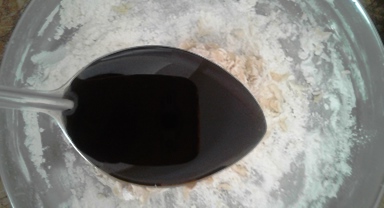
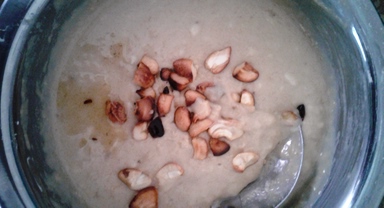
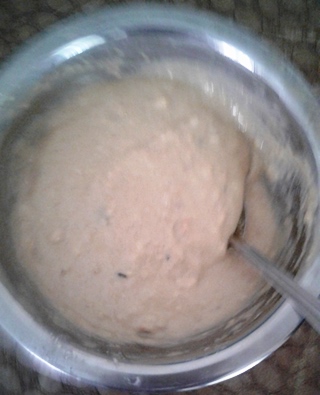
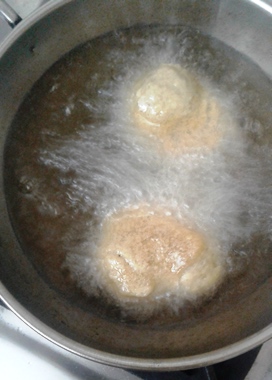
- In a deep bowl, add rice flour and salt.
- Peel and mash the bananas well and add to the flour.
- Add melted jaggery and a little water to make a thick, smooth batter.
- Mix in cardamom powder, cumin powder, black sesame seeds, cashew nuts, and ghee.
- Finally, add a pinch of cooking soda and mix gently.
- Cover and allow the batter to rest for about 2 hours.
- Heat coconut oil in a deep frying pan on medium heat.
- Using a spoon, gently pour small portions of batter into the oil.
- Do not shape—Unniappam should be irregular, not round like bondas.
- Fry slowly, turning carefully, until they become golden to dark brown on all sides.
- Remove and drain excess oil. Serve warm.
How Unniappam Is Traditionally Enjoyed
- As Nercha in temples and churches
- With evening tea
- Shared among family during prayer days
- Served plain, without sauces or toppings
The beauty of Unniappam lies in its imperfection—no two pieces look the same, yet each carries the same warmth and taste of tradition.
Important Tips from Grandma’s Kitchen
✔ Batter should be thick, not runny
✔ Fry on medium heat—never rush
✔ Do not over-fry; it should be soft inside
✔ Irregular shapes are natural and correct
✔ Best consumed fresh
Who Should Be Careful
⚠ People with diabetes should consume in moderation, as it contains jaggery and banana
A Sweet That Carries Faith and Tradition
Unniappam is not just a snack—it is a reminder of Kerala’s food culture, where cooking was an act of devotion, patience, and care.
Even without an unniyappam chatti, when prepared with the right ingredients and intention, the tradition lives on.
This is not merely a recipe—it is a memory passed from generation to generation.

 Grandma’s Holistic Wellness