
It doesn’t look like a typical herbal tea and it doesn’t behave like one either. This deep blue infusion has quietly remained part of traditional Kerala routines for a reason.
Known as Clitoria ternatea, or Shankupushpam, it has long been valued as a daily tonic for mental clarity, calmness and overall balance. What makes this tea truly fascinating is that its striking color is only the beginning of what it offers.
A Traditional Brain Tonic Now Gaining Scientific Attention
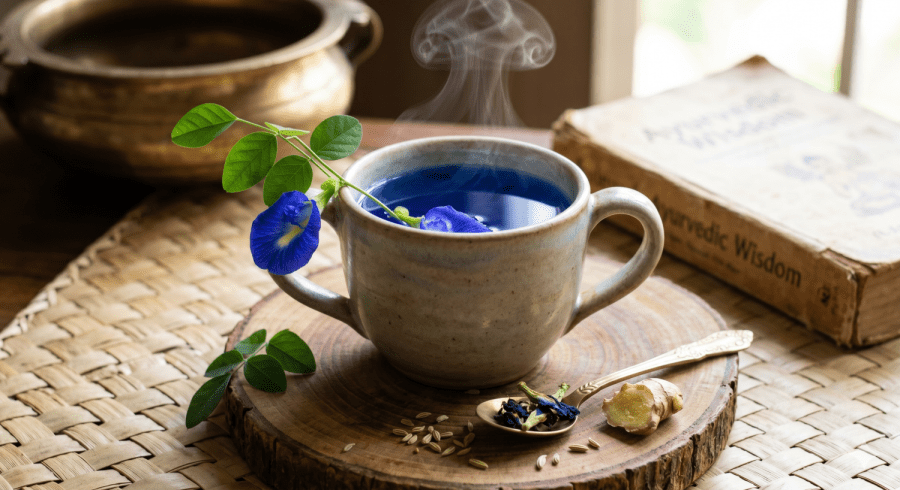
In Ayurveda, Shankupushpam is classified as a Medhya Rasayana a category of herbs believed to support the brain and nervous system. Traditionally it has been used to enhance memory improve focus and promote a sense of calm. Modern research is beginning to explore these effects with early studies suggesting that compounds in the flower may support neurotransmitter activity linked to learning and memory. While more human research is still needed the long standing traditional use aligns with these emerging findings making it a meaningful addition to a mindful routine.
Naturally Rich in Antioxidants That Protect Your Cells
The intense blue color of this tea comes from powerful plant compounds called ternatins a type of anthocyanin. These antioxidants help neutralize free radicals in the body which are known to contribute to aging and cellular stress. Regular intake of antioxidant rich foods and drinks like this tea may support overall wellness including skin health and protection from everyday oxidative damage. It is a simple natural way to give your body gentle support.
A Gentle Support for Digestion and Daily Comfort
When Shankupushpam is paired with ingredients like ginger and fennel both widely used in traditional kitchens the result is more than just a beautiful drink. Ginger is known for its soothing and anti inflammatory properties while fennel has long been used to ease bloating and support digestion. Together they create a warm calming infusion that can be especially comforting after meals helping your gut feel lighter and more balanced.
The Color Changing Magic That Reveals Its Nature
One of the most delightful aspects of this tea is its natural ability to change color. Add a few drops of lemon juice and the deep blue instantly transforms into a vibrant purple or magenta. This happens because the anthocyanins in the flower react to changes in pH. While it feels like a small moment of magic it is actually a visual reminder of the active plant compounds working within the tea.
How to Brew This Simple Daily Ritual
Making Shankupushpam tea is easy and does not require any special preparation. Add three to four dried flowers to a cup of hot water along with a slice of fresh ginger and a pinch of fennel seeds. Let it steep for three to five minutes until the water turns a rich blue. You can enjoy it as it is or add a squeeze of lemon for a citrusy twist and that beautiful color shift. If you prefer a touch of sweetness a little honey works well.
A Small Habit That Connects You to Traditional Wellness
Incorporating Shankupushpam tea into your routine is not about chasing quick results. It is about returning to simple time tested practices that gently support your body over time. This is the kind of wellness that works quietly in the background helping you feel more clear calm and balanced each day.
Frequently Asked Questions (FAQ)
1. Can I drink Shankupushpam tea every day?
Yes, it is generally consumed as a daily herbal drink in traditional practices. One cup a day is a good place to start. As with any herbal routine, consistency matters more than quantity.
2. Does this tea have caffeine?
No, Shankupushpam (butterfly pea) tea is naturally caffeine-free, making it suitable for any time of the day, including evenings.
3. When is the best time to drink blue tea?
You can enjoy it in the morning for a calm start or in the evening to unwind. Many prefer it after meals for its gentle digestive support.
4. Can I drink it on an empty stomach?
Yes, it’s mild and usually well tolerated on an empty stomach. If you have a sensitive stomach, you may prefer having it after food.
5. Is it safe to mix with other ingredients?
Absolutely. Ginger, fennel, lemon, and even a bit of honey pair well with this tea and can enhance both flavor and benefits.
6. Why does the tea change color?
The color shift happens due to natural plant compounds (anthocyanins) reacting to changes in pH. Adding lemon makes it turn purple or pink—completely natural and safe.
7. Are there any side effects?
For most people, it is gentle and safe. However, if you are pregnant, breastfeeding, or on medication, it’s best to consult a healthcare professional before adding it regularly.
8. How long does it take to see benefits?
This is not a quick-fix remedy. It works subtly over time as part of a consistent, balanced lifestyle.
Final Thoughts
Shankupushpam tea is not just another trending herbal drink—it’s a quiet continuation of a tradition that has supported well-being for generations. Its beauty may catch your eye, but its true value lies in the gentle, consistent support it offers to your mind and body.
If you’re looking for something natural, calming, and rooted in tradition, this blue tea might be worth making part of your routine.
Have you tried blue tea yet Share your experience and how you like to prepare it.
Bring Traditional Wisdom into Your Modern Life
Still Drinking Coffee? These 5 Teas Might Be a Better Choice

 Grandma’s Holistic Wellness