
Homemade grape wine has been prepared in many traditional homes during festive seasons like Christmas and Easter and special occasions. Made slowly with patience and care, this wine reflects age-old household practices where cleanliness, natural fermentation, and simple ingredients were valued over speed or artificial additives.
Why Homemade Wine Was Common in Traditional Homes

Prepared Only During Special Occasions
Wine was usually made for Christmas, weddings, or family celebrations, not for daily use.
Made with Natural Fermentation
Traditional methods relied on natural yeast activity and time rather than chemicals.
Controlled Ingredients
Families knew exactly what went into the wine—grapes, sugar, spices, and citrus.
Shared as a Festive Drink
Homemade wine was prepared to be shared with relatives and guests during holidays.
Traditional Homemade Red Grape Wine Recipe
Ingredients
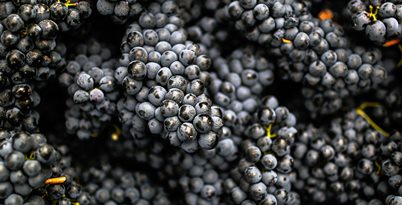
- 2 kg black grapes (seedless or with seeds)
- 4 litres water
- 2 kg unrefined sugar
- 1 cinnamon stick (about 2 inches)
- 4 cloves
- 1 orange
- 1 lemon
- ¼ teaspoon dry yeast
- 1 slice of bread
- 1 clean white cloth (handkerchief size)
Method
- Separate grapes from stems and wash thoroughly.
- Soak grapes for 1 hour in water mixed with:
- 1 tablespoon turmeric powder
- 2 tablespoons salt
- Rinse well in clean water 3–4 times to remove all impurities.
- Boil 4 litres of water in a large pot.
- Add cinnamon and cloves.
- Add grapes and cook for 5 minutes.
- Switch off the stove and allow the mixture to cool slightly.
- While warm, add unrefined sugar and stir until fully dissolved.
- Allow the mixture to cool completely.
- Squeeze orange juice and lemon juice separately.
- Transfer the cooled grape mixture to a clean glass or ceramic jar.
- Add orange and lemon juice to the jar.
- Mix dry yeast with a little warm water to form a paste.
- Apply the yeast paste to the bread slice.
- Wrap the bread in the clean cloth to form a bundle.
- Place the yeast bundle into the jar and seal tightly.
- Keep the jar in a dark place or cover it with a bucket.
- Leave enough space in the jar for fermentation (about 1 litre).
- Open the jar daily and stir gently.
- On the 5th day, remove the grapes and squeeze out all juice using a cloth or strainer.
- Discard the grape waste.
- Strain the wine and transfer it to another clean vessel.
- Wash the original jar with boiled water and allow it to cool.
- Pour the strained wine back into the jar and seal it.
- Open the jar daily for about 2 minutes to release trapped air.
- On the 14th day, siphon the wine into clean glass bottles without disturbing the sediment.
- Taste and adjust sweetness if required.
Important Tips from Traditional Wine Making
- Cleanliness is essential at every step
- Use glass or ceramic containers only
- Do not disturb the sediment while bottling
- Patience improves flavour
Storage and Serving

- Store bottles in a cool, dark place
- Improves in taste after resting
- Serve in small quantities during festive occasions
Who Should Be Careful
- Not suitable for children
- Consume in moderation
- Avoid during pregnancy or medical restrictions
A Festive Drink Rooted in Tradition
Homemade red grape wine is not just a festive beverage but a reflection of careful preparation, patience, and traditional household knowledge passed through generations.

 Grandma’s Holistic Wellness