
Idinchakka, also known as tender jackfruit, is a seasonal ingredient that reflects the wisdom of traditional Kerala cooking. Harvested before the fruit ripens, tender jackfruit is valued for its soft, fibrous texture and its ability to absorb flavours, making it ideal for hearty home-style dishes.
In earlier times, idinchakka was commonly prepared during fasting and Lenten seasons, when plant-based meals were preferred. Combined with chickpeas, coconut, and gentle spices, it was shaped into cutlets and lightly fried to create a filling and comforting snack using simple, locally available ingredients.
Why idinchakka was cooked in traditional homes
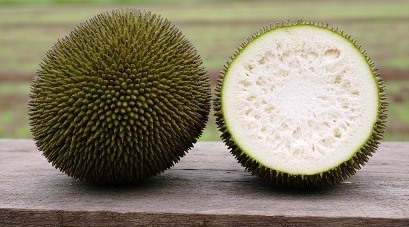
In traditional households, tender jackfruit was prepared when:
- Jackfruit trees were in season
- Fasting or abstinence days required nourishing plant-based food
- Local vegetables were chosen over store-bought alternatives
- Slow cooking was preferred over processed foods
- Nothing from the jackfruit tree was wasted
These dishes were often made fresh and shared warm among family members.
Ingredients
- Tender jackfruit (idinchakka) – 1
- Chickpeas – ½ cup
- Big onion – 1
- Small onions – 4 to 5
- Green chillies – 2
- Ginger paste – 1 teaspoon
- Garlic cloves – 5 to 6
- Grated coconut – 1 cup (optional)
- Chilli powder – 1 teaspoon
- Turmeric powder – 1 teaspoon
- Cinnamon powder – ¼ teaspoon
- Cardamom powder – ¼ teaspoon
- Cloves powder – ¼ teaspoon
- Fennel seeds (big jeera) – ½ teaspoon
- Curry leaves – 10
- Oil – 4 to 5 tablespoons
- Salt – to taste
- Egg – 1 (for coating)
How to make
Prepare the jackfruit and chickpeas
Peel the tender jackfruit, cut it into pieces, and soak in water for about ten minutes. Drain and transfer to a pressure cooker with one cup of water and salt. Pressure cook for three whistles. Once cooked, drain completely and keep aside.
Soak chickpeas overnight or for six to eight hours. Pressure cook with water and salt for five to six whistles. Allow to cool, drain the water, and grind coarsely along with fennel seeds, without adding water.
Prepare the cutlet mixture
Finely chop the big onion and small onions. Heat oil in a pan and sauté the onions until soft. Add curry leaves, green chillies, ginger paste, garlic, chilli powder, turmeric powder, cinnamon powder, cardamom powder, cloves powder, and grated coconut if using. Sauté gently until the raw smell disappears.
Add the cooked jackfruit and mash it well in the pan. Add the ground chickpea mixture and mix thoroughly. Adjust salt if needed. Continue sautéing until the mixture comes together and leaves the sides of the pan. A little extra coconut oil can be added to reduce the natural stickiness of jackfruit. Switch off the flame and allow the mixture to cool.
Shape and fry the cutlets
Once cooled, shape the mixture into small balls or flat cutlets. Beat the egg in a bowl. Heat oil in a pan. Dip each cutlet into the beaten egg and shallow fry until golden on both sides.
What to serve with
Serve idinchakka cutlets hot, as they are, or with a simple homemade chutney. They pair well with tea and make a satisfying snack during fasting seasons or as a light evening meal.
Grandma’s kitchen notes
- Tender jackfruit should be well cooked and mashed
- Chickpeas provide natural binding and protein
- Coconut oil enhances flavour and reduces stickiness
- Best enjoyed fresh and warm
A dish rooted in season and tradition
Idinchakka cutlet reminds us that traditional kitchens knew how to turn seasonal produce into nourishing food with patience and care. Simple ingredients, mindful cooking, and respect for nature’s rhythm make this dish a timeless part of Kerala’s food heritage.

 Grandma’s Holistic Wellness