
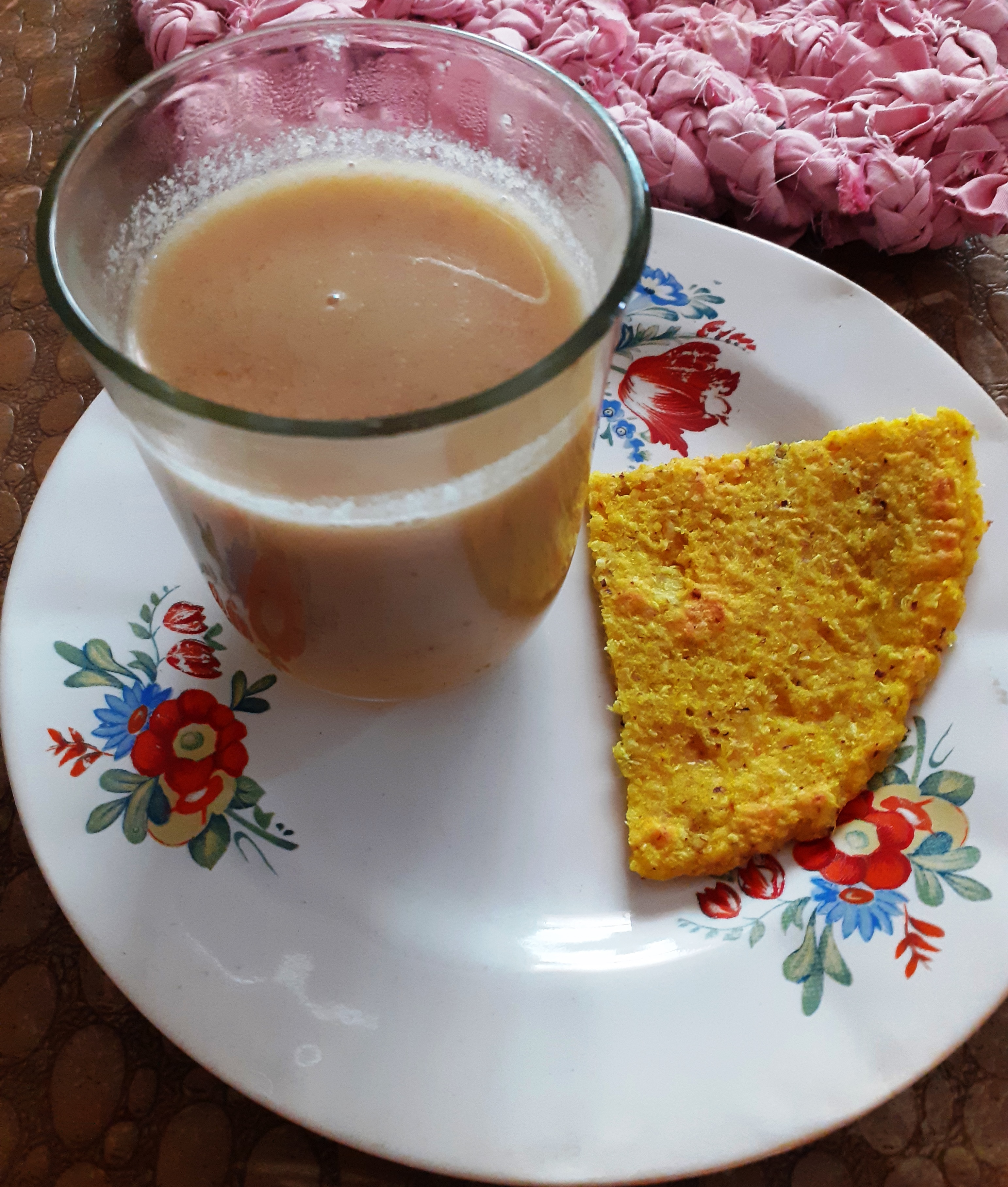
Pesaha Pal is a revered Maundy Thursday preparation from Syro-Malabar Christian homes in Kerala, made to commemorate the Last Supper of Jesus Christ and the Jewish Passover. This gently sweetened coconut milk, enriched with jaggery and cumin, is prepared only once a year and shared with deep devotion after evening prayers.
Slow-cooked with patience and stirred with care, Pesaha Pal carries warmth, faith, and memory in every sip. Paired with Uzhunnappam / Indri Appam (unleavened bread), it forms the heart of the Pesaha meal — a ritual of remembrance, humility, and togetherness.
Simple ingredients, symbolic preparation, and shared reverence make this dish far more than food — it is tradition served in a bowl.
🌿 Why Pesaha Pal Is Special ✝️
✨ Prepared only on Maundy Thursday
🥥 Made with fresh coconut milk and jaggery
🌾 Thickened gently with rice flour
🌿 Cumin adds warmth and digestive balance
🍶 Shared as a sacred family ritual after prayer
🤍 Symbol of remembrance, humility, and unity
This sweet milk is believed by many to be nourishing not just to the body, but also comforting to the soul.
🍛 Ingredients
2 cups thick coconut milk (Onnam Paal – first milk)
2 cups thin coconut milk (Randam Paal – second milk)
½ cup jaggery, melted (adjust to taste)
2 tablespoons rice flour
2 teaspoons cumin seed powder
3 pinches salt (to balance sweetness)
👩🍳 Preparation Method
1. Extract the Coconut Milk
Grind fresh coconut with water and extract the thick first milk.
Add water again to the residue and extract the thinner second milk.
Keep both aside separately.
2. Melt the Jaggery
Melt jaggery with a little water on low heat.
Strain to remove impurities and keep aside.
3. Cook the Second Milk
Place a mud pot or steel pot on low flame.
Add the second coconut milk and melted jaggery.
Stir continuously until steam begins to rise.
4. Thicken Gently
Mix rice flour with water to make a smooth, loose paste.
Add this slowly to the simmering milk, stirring continuously to avoid lumps.
5. Add First Milk & Spices
Once the mixture thickens slightly, add:
– Thick coconut milk
– Cumin seed powder
– A pinch of salt
Stir continuously. Do not let it boil unattended, as coconut milk can curdle.
6. Finish & Rest
When the milk is well cooked and aromatic, switch off the flame.
Allow it to cool slightly.
Traditionally, three small crosses made from Palm Sunday leaves are placed into the milk and the pot is covered.
🍽️ Serving Tradition
Pesaha Pal is served after evening prayers on Maundy Thursday, along with:
Uzhunnappam / Indri Appam (unleavened bread)
Ripe bananas and seasonal fruits
The head or eldest member of the family cuts the unleavened bread, prays, and distributes it with Pesaha Pal to family and neighbours.
📝 Tips & Tradition Notes
✔ Always cook on low heat
✔ Continuous stirring is essential
✔ Use fresh coconut for authentic taste
✔ Salt is important — it balances sweetness
✔ Best prepared and consumed fresh
👵 Grandma’s Kitchen Note
In earlier times, Pesaha Pal was treated with deep reverence.
No drop was wasted — even vessels were rinsed and the water given to cows.
Neighbours of all faiths would ask for this milk, believing in its healing comfort.
Children eagerly waited for Maundy Thursday — walking from house to house with lamps, sharing food, prayers, and joy. Though times have changed, this tradition remains a powerful reminder of faith, humility, and sharing.
In moments of uncertainty — then and now — Pesaha Pal reminds us of the true message of Maundy Thursday: service, sacrifice, and love for one another.
May this tradition continue in homes and hearts.


 Grandma’s Holistic Wellness