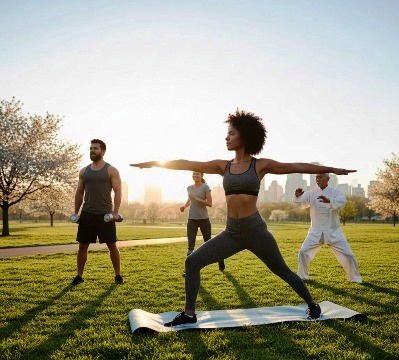
Physical Health to Live a Vibrant Life

Physical health is the cornerstone of a well-rounded and fulfilling life. It refers to the state of our body and its ability to perform daily activities efficiently and effectively. It encompasses various aspects such as cardiovascular endurance, muscular strength, flexibility, and body composition. Physical health is not just the absence of disease; it is about feeling energetic, strong, and capable. In this article, we will explore the importance of physical health, 10 examples of physical health, the benefits of physical activity, ways to maintain physical health, the significance of daily workouts, exercising at home, and practical steps to regain or sustain physical well-being.

1. What is Physical Health?

Physical health, also known as bodily health, denotes the overall well-being of our body’s physiological functions. It involves the harmonious functioning of the heart, lungs, muscles, bones, and other body systems. When we are physically healthy, we experience increased energy levels, enhanced immunity, and better mental clarity.

2. Examples of Physical Health

  • Cardiovascular Endurance: The ability of the heart and lungs to supply oxygen to the muscles during prolonged physical activities, such as running, swimming, or cycling.
  • Muscular Strength: The ability of muscles to exert force during activities like weightlifting, push-ups, or squats.
  • Flexibility: The range of motion in the joints, which can be improved through stretching exercises like yoga or Pilates.
  • Body Composition: The ratio of fat, muscle, and bone mass in the body, which can be maintained through a balanced diet and regular exercise.
  • Balance and Coordination: The ability to maintain stability and control during activities like dancing, gymnastics, or martial arts.
  • Agility: The capacity to change direction quickly, often trained in sports like soccer, basketball, or tennis.
  • Bone Density: The strength and density of bones, which can be improved through weight-bearing exercises like hiking or dancing.
  • Posture: The alignment of the body, which can be enhanced through activities like Pilates or postural exercises.
  • Joint Health: The health and mobility of joints, which can be maintained through low-impact exercises like swimming or cycling.
  • Restorative Sleep: The ability to have deep and restful sleep, which is crucial for overall physical and mental health.

3. Benefits of Physical Activity

Regular physical activity offers numerous advantages for our overall well-being. It can help prevent chronic diseases, manage weight, improve mood, reduce stress, enhance cognitive function, boost self-esteem, and increase longevity.

4. Ways to Maintain Physical Health

a. Balanced Diet: A nutritious and well-balanced diet with ample fruits, vegetables, whole grains, lean proteins, and healthy fats is essential for supporting physical health.

b. Regular Exercise: Engaging in a combination of cardiovascular exercises, strength training, and flexibility exercises ensures comprehensive physical fitness.

c. Hydration: Drinking an adequate amount of water daily is crucial for maintaining bodily functions and preventing dehydration.

d. Adequate Rest: Getting enough sleep and allowing time for recovery after workouts is essential for muscle repair and overall restoration.

e. Stress Management: Practicing relaxation techniques, such as meditation or deep breathing, helps manage stress, which can have a significant impact on physical health.

5. Significance of Daily Workouts

Consistency is key when it comes to physical health. Daily workouts help in building healthy habits, improve endurance, and foster discipline. Even short bouts of physical activity can accumulate and contribute to overall fitness.

Customizing Your Workout: Tips for Beginners Before we dive into the 20-minute at-home workout, let’s discuss some essential tips for beginners looking to embark on their fitness journey.

  1. Know Your Limits: Start at a pace that suits your fitness level. It’s essential to listen to your body and not push yourself too hard initially. Gradually increase the intensity and duration of your workouts as you become more comfortable.
  2. Set Reasonable Fitness Goals: Set achievable and realistic fitness goals. This will help you stay motivated and track your progress effectively. Celebrate even the small achievements along the way.
  3. Be Consistent with Your Workouts: Consistency is key to seeing results. Aim to work out 2–4 times a week for 20–60 minutes, as this is more than enough to start building muscle and endurance.

6. Exercising at Home

While going to a gym can be beneficial, it is not a necessity. Many effective workouts can be performed at home with minimal or no equipment. Bodyweight exercises, yoga, resistance bands, and online workout videos are excellent options for home-based fitness routines.

The Best 20-Minute At-Home Workout for Beginners: Now, let’s get into the exciting part – the best 20-minute at-home workout for beginners. These exercises are designed to help you build strength and endurance gradually.

  1. Bridge: This exercise targets your glutes and lower back. Lie on your back with your knees bent, feet flat on the floor. Lift your hips towards the ceiling while squeezing your glutes, and hold the position for a few seconds before lowering down.
  2. Knee Push-Up: Focus on your chest, shoulders, and triceps with knee push-ups. Get into a plank position with your knees on the ground, and lower your chest towards the floor while keeping your back straight. Push back up to the starting position.
  3. Side-Lying Hip Abduction: This move targets the outer hips. Lie on your side, and lift the top leg towards the ceiling while keeping it straight. Lower it back down with control and repeat on both sides.
  4. Wall Squat: Strengthen your quadriceps and glutes with a wall squat. Stand with your back against a wall, slide down into a squat position, and hold it for as long as you can.
  5. Straight-Leg Donkey Kick: Engage your glutes and hamstrings with this exercise. Get on all fours, extend one leg straight back, and lift it towards the ceiling. Lower it back down with control and repeat on both sides.

7. Steps to Regain or Sustain Physical Health

a. Set Goals: Establish realistic and achievable fitness goals to stay motivated and focused.

b. Start Slowly: If you’re just starting or returning to exercise, begin with low-intensity activities and gradually increase the intensity and duration.

c. Mix it Up: Avoid monotony by trying different types of exercises and activities to keep things interesting.

d. Listen to Your Body: Pay attention to how your body responds to exercise and make adjustments accordingly to prevent injury.

e. Stay Consistent: Make physical activity a regular part of your daily routine to experience long-term benefits.

Physical health is a precious asset that influences our daily life, productivity, and overall happiness. By incorporating regular physical activity, maintaining a balanced diet, and nurturing healthy habits, we can embrace physical health and unlock the full potential of our bodies. Remember, it’s never too late to start, so take that first step towards a vibrant and fulfilling life by prioritizing your physical well-being.

Women’s Health Empowering

Women’s health is a vital aspect of overall well-being that encompasses physical, mental, and emotional dimensions. Achieving and maintaining optimal women’s health is crucial for the advancement of societies and the overall well-being of families and communities. In this article, we will explore the importance of women’s health, how it can be obtained, and the pitfalls to be aware of to ensure a healthy and happy life.

The Importance of Women’s Health:

Women’s health is a foundation upon which their lives and those of future generations are built. When women are healthy, they can fulfill multiple roles, such as caregivers, breadwinners, and community leaders. Maternal health, for instance, directly impacts child development and long-term outcomes. Additionally, healthy women are better equipped to pursue educational and professional opportunities, thus contributing significantly to social and economic progress.

Obtaining Women’s Health:

  1. Physical Health: Regular exercise, a balanced diet, and sufficient rest are cornerstones of physical health. Engaging in activities like yoga, swimming, or running not only keeps the body fit but also helps manage stress. Proper nutrition with an emphasis on fresh fruits, vegetables, and whole grains provides essential nutrients for overall health.
  2. Mental Health: Prioritizing mental health is essential for women’s overall well-being. Engaging in mindfulness practices, seeking professional help when needed, and fostering healthy relationships are crucial to maintaining mental wellness.
  3. Reproductive Health: Regular check-ups with healthcare professionals, understanding menstrual health, and utilizing contraception when necessary play a key role in reproductive health.
  4. Emotional Health: Emotional health is nurtured by engaging in hobbies, spending quality time with loved ones, and seeking support during challenging times.

Things to Be Careful Of:

  1. Ignoring Symptoms: Women should never dismiss or ignore persistent symptoms. Promptly seeking medical attention for any unusual signs can prevent potential health issues from escalating.
  2. Stress: Chronic stress can have severe consequences on physical and mental health. Managing stress through relaxation techniques, hobbies, or therapy is crucial for maintaining overall well-being.
  3. Unhealthy Habits: Avoiding tobacco, excessive alcohol, and other harmful substances is essential for preserving women’s health.
  4. Regular Check-ups: Scheduling regular health check-ups and screenings helps detect health issues early and promotes preventive care.

The Consequences of Losing Women’s Health:

When women lose their health, it can negatively impact their quality of life and their ability to fulfill various roles. Physical health issues can lead to reduced productivity, limited mobility, and a decreased ability to participate in daily activities. Mental health challenges might result in difficulty coping with stress, anxiety, and depression, which can affect personal and professional relationships.

How Can Women Stay Always Healthy?

  1. Listen to Your Body: Paying attention to your body’s signals and addressing any discomfort or changes promptly is vital to staying healthy.
  2. Stay Active: Engage in regular physical activity that suits your lifestyle and preferences. Exercise not only benefits physical health but also improves mood and cognitive function.
  3. Eat a Balanced Diet: Opt for a diet rich in fruits, vegetables, lean proteins, and whole grains, while minimizing processed foods and sugary beverages.
  4. Prioritize Mental Health: Practice mindfulness, engage in hobbies, and seek support when needed to foster emotional well-being.
  5. Regular Health Check-ups: Schedule regular visits with healthcare professionals to monitor your health and address any concerns.

Women’s health is a multifaceted concept that encompasses physical, mental, and emotional well-being. Prioritizing and maintaining women’s health has far-reaching benefits, not only for individual women but for entire communities and societies. By taking charge of their well-being and making mindful choices, women can lead vibrant, fulfilling lives and contribute meaningfully to the world around them. Remember, investing in women’s health is an investment in the betterment of humanity. So, let’s empower women to take charge of their health and lead healthier, happier lives.

#PhysicalHealthMatters #FitnessGoals #HealthyLifestyle #StayActiveStayHealthy #WellnessJourney #ExerciseEveryday #StrongBodyStrongMind #FitnessMotivation #HealthyHabits #FitnessForLife #EmpowerWomen #WomensHealthMatters  #HealthyLivingForHer #WellnessForWomen #MindBodyBalance

For Healthy Recipe Ideas Click

Books for Reading