In many homes, the wisdom of a grandmother is trusted more than any textbook. Her remedies, her stories, and her quiet strength shape generations. Yet outside those homes, society often overlooks the value of age. Age discrimination—also known as ageism—silently affects people of all generations, harming health, dignity, and well-being.
At My Grandma’s Healthy School, we believe that healthy living is not only about food and fitness—it is also about how we value people at every stage of life.
What Is Age Discrimination and Why Does It Matter?
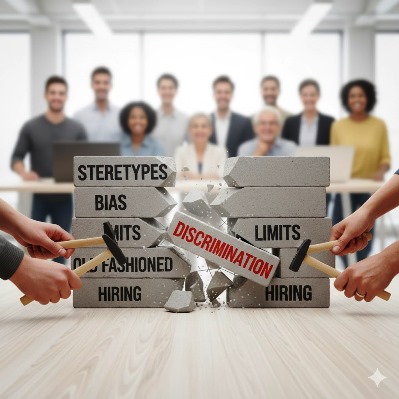
Age discrimination happens when people are judged, ignored, or limited because of their age. Young adults may be labeled “too inexperienced,” while older adults are often seen as “too old” to learn, work, or contribute. These assumptions are not only unfair—they are deeply harmful.
Studies show that negative beliefs about aging can shorten life expectancy, while positive attitudes toward aging support better mental health, stronger immunity, and longer, more fulfilling lives. How we think about age truly affects how we live.
Aging, Health, and Longevity: A Powerful Connection
In traditional cultures, aging was respected. Elders were teachers, healers, and guides. Modern research now confirms what our grandparents always knew:
People who embrace aging with purpose and dignity tend to live healthier, longer lives.
When older adults feel valued, they remain active—physically, socially, and emotionally. This sense of belonging reduces stress, lowers the risk of depression, and supports holistic wellness.
The Hidden Economic and Social Cost of Ageism
Age discrimination doesn’t only affect individuals—it impacts families, workplaces, and entire economies. When experienced workers are pushed aside, society loses knowledge, mentorship, and stability. Healthcare costs rise, productivity declines, and generations become unnecessarily divided.
With increasing life expectancy, many people are choosing to work longer, start second careers, or explore new passions. Life is no longer divided into rigid stages—learning, growth, and contribution can happen at any age.
Why Age Diversity Creates Stronger Workplaces and Communities
Workplaces that welcome age diversity are healthier and more innovative. Younger and older generations bring different strengths—energy and experience, creativity and wisdom. Together, they create balance.
Intergenerational environments encourage mentorship, mutual respect, and emotional intelligence. These are not just professional advantages—they are foundations of a healthy society.
Simple Ways We Can All Help End Age Discrimination
Change the Way We See Aging
Replace outdated stereotypes with real stories. Look for examples of people of all ages living vibrant, meaningful lives. Aging is not decline—it is evolution.
Build Intergenerational Relationships
Spend time across age groups. Listen to elders. Learn from the young. These connections nourish the heart and challenge unconscious bias.
Be Mindful of Language
Words matter. Avoid age-based jokes or labels. Focus on a person’s abilities, values, and experiences—not their age.
Embracing Every Age Is a Form of Wellness
Age discrimination weakens society, but awareness heals it. When we honour every stage of life, we create environments where people feel safe, respected, and valued—key ingredients for true wellness.
At My Grandma’s Healthy School, we celebrate aging as a natural, beautiful journey—one filled with learning, contribution, and connection. Respecting age is not just kindness; it is a powerful step toward healthier lives and stronger communities.

 Grandma’s Holistic Wellness