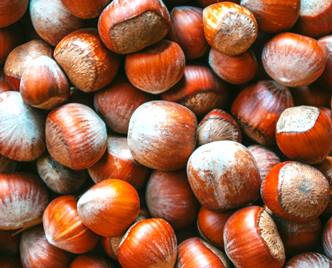
Hazelnuts, also known as filberts, are delicious nuts that have a distinct flavor and are appreciated for their versatility in cooking and baking. Hazelnuts are native to Europe and are widely cultivated and consumed around the world. Here are some key points about hazelnuts:
- Nutrient Profile: Hazelnuts are nutrient-dense and offer a range of essential nutrients. They are an excellent source of healthy fats, including monounsaturated fats, which are beneficial for heart health. Hazelnuts are also rich in dietary fiber, protein, vitamins (such as vitamin E and B vitamins), and minerals (including magnesium, copper, and manganese).
- Heart-Healthy Fats: Hazelnuts contain predominantly monounsaturated fats, which have been associated with improved heart health. These fats can help lower LDL (bad) cholesterol levels and reduce the risk of heart disease when consumed as part of a balanced diet.
- Antioxidant Properties: Hazelnuts are packed with antioxidants, including vitamin E and various phenolic compounds. Antioxidants help protect the body against oxidative stress, reduce inflammation, and support overall health. Hazelnuts have been shown to possess higher antioxidant capacity compared to many other nuts.
- Nutrient Absorption: Hazelnuts contain a significant amount of vitamin E, a fat-soluble vitamin with antioxidant properties. The healthy fats in hazelnuts can aid in the absorption of vitamin E and other fat-soluble vitamins when consumed together with other foods.
- Fiber Content: Hazelnuts are a good source of dietary fiber, which supports a healthy digestive system, helps maintain regular bowel movements, and promotes feelings of fullness. Including fiber-rich hazelnuts in your diet can contribute to satiety and assist in weight management.
- Culinary Uses: Hazelnuts are highly versatile and can be used in various culinary applications. They can be enjoyed roasted and eaten as a snack, added to salads, incorporated into baked goods (such as cakes, cookies, and bread), or used in savory dishes (like salads or as a crust for meat or fish). Hazelnut butter and hazelnut oil are also popular products made from hazelnuts.
- Hazelnut Allergies: It is important to note that hazelnuts are one of the common tree nuts that can trigger allergies in some individuals. If you have a known hazelnut allergy, it is crucial to avoid consuming hazelnuts or products containing hazelnuts.
In summary, hazelnuts are nutrient-dense nuts that provide a range of health benefits. They are rich in heart-healthy fats, antioxidants, fiber, and essential nutrients. Incorporating hazelnuts into a balanced diet can support heart health, provide valuable nutrients, and enhance culinary experiences.
#antioxidants #fiber #nutrients #hazelnuts #balanced diet #heart health #valuable nutrients #antioxidants #essential nutrients

 Grandma’s Holistic Wellness