


When asked if I’m superstitious, my answer is simple: No. I don’t subscribe to the idea that a broken mirror or stepping on a crack can impact my fate. I believe in the power of rational thinking, evidence, and science to navigate the world around me. That said, there’s one area where I do find myself leaning into something that might be considered “traditional”—and that’s science-based Vastu. So, while I’m not superstitious, I do believe in the science behind Vastu Shastra, the ancient Indian system of architecture and design.
Vastu Shastra is often misunderstood, especially in today’s world where the traditional principles are sometimes mingled with superstition and fear tactics. However, when it’s practiced with a scientific lens, Vastu can be a powerful tool for optimizing living spaces for better health, well-being, and energy flow.
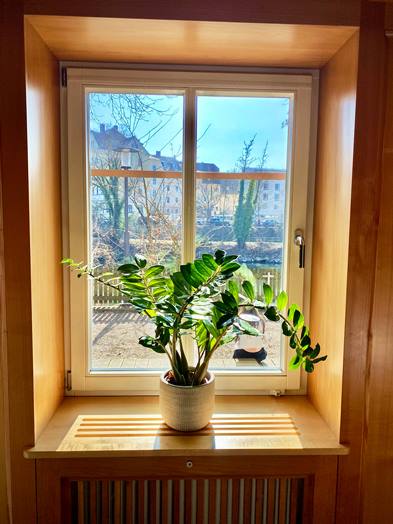
What makes me believe in science-based Vastu is the emphasis on principles that make sense from a biological and environmental perspective. For example, the importance of proper ventilation in Vastu isn’t just a random cultural belief. We now know that ventilation plays a huge role in maintaining a healthy indoor environment—improving air quality, reducing pollutants, and promoting mental clarity. Ensuring natural light flows into living spaces, a key Vastu principle, isn’t about superstition; it’s about allowing sunlight to help regulate our circadian rhythms, boost vitamin D levels, and improve mood.
In a more scientific sense, Vastu encourages elements of design that naturally support health and well-being. One example is the emphasis on the orientation of a home and its impact on natural light. Sunlight exposure has proven health benefits, such as improving sleep quality, enhancing mood, and supporting overall health. The simple act of aligning spaces to maximize natural light can have significant positive effects on your daily life, without the need for any superstitious beliefs.
Furthermore, proper ventilation is central to Vastu, and this is another aspect where science fully supports the traditional practice. Good airflow reduces indoor pollutants and improves the overall air quality, which is essential for respiratory health and general comfort. With modern scientific knowledge backing the importance of airflow, the Vastu principle of ensuring that your home is well-ventilated is both practical and beneficial for physical health.
Moving Beyond Superstition
As with many ancient traditions, Vastu has sometimes been clouded by superstitions and practices lacking scientific validation. For instance, certain beliefs about seeing a bird in a specific direction or using specific materials in the home can lead to unnecessary fear or anxiety. However, when we strip away these superstitions and approach Vastu from a scientific perspective, it becomes clear that the core principles of Vastu are designed to promote physical and mental well-being. By focusing on evidence-based practices such as maximizing natural light, optimizing ventilation, and arranging spaces for better energy flow, Vastu can be understood as a practical system of design that prioritizes health, comfort, and harmony through logical architecture and environmental principles.
The modern, science-based approach to Vastu emphasizes the practical benefits—things like space organization, natural light, and proper airflow—which can be supported by evidence. These principles don’t require belief in mystical forces or cosmic alignment, but rather focus on what has been shown to improve health and promote happiness in living spaces.
Why I Trust Science-Based Vastu
For me, the science behind Vastu is what makes it worth embracing. Take, for example, the principle of ensuring good sunlight exposure in the home. This isn’t about appeasing unseen forces—it’s about creating an environment that supports mental health and productivity. Research has long shown that natural light boosts mood and can reduce the risk of seasonal affective disorder (SAD), a condition that arises due to a lack of sunlight during the colder months.
Additionally, space organization is another aspect of Vastu that has clear scientific backing. The arrangement of furniture and the flow of energy within a space can affect our stress levels, productivity, and even sleep quality. Clutter in a room can contribute to mental fatigue, while a well-organized space promotes relaxation and efficiency. This is why Vastu places importance on functional spaces that are aesthetically pleasing and organized for maximum comfort and ease.
The Challenge of Finding a Pure Vastu Expert
One of the biggest challenges today is finding a genuine Vastu Pandit who practices science-based Vastu and doesn’t rely on fear or superstition to guide their advice. It’s disheartening when Vastu gets mixed up with unnecessary rituals or superstitions that make people feel anxious or powerless. So when I do find a Vastu expert who focuses on things like ventilation, light, and layout in a scientifically sound way, I believe in their approach wholeheartedly.
Ultimately, my approach to Vastu is all about finding balance—embracing the science that makes sense and leaving out the superstition that doesn’t. I believe in using the wisdom of Vastu to create spaces that foster health, positive energy, and harmony. And I don’t believe that should come at the cost of fear, superstition, or unnecessary rituals.
In the end, it’s all about balance—embracing the wisdom of ancient traditions while grounding our decisions in the proven principles of modern science. So, while I’m not superstitious, when it comes to science-based Vastu, I’m all in.
VastuShastra #ScienceBasedVastu #HealthyLiving #InteriorDesign #NaturalLight #Ventilation #WellBeing #PositiveEnergy #MentalHealth #HomeDesign #VastuPrinciples #EvidenceBasedDesign #HarmoniousLiving #FunctionalSpaces #EnvironmentalDesign #MindfulLiving #SpaceOptimization #BalanceAndHarmony #HealthyHome #VastuScience

 Grandma’s Holistic Wellness