


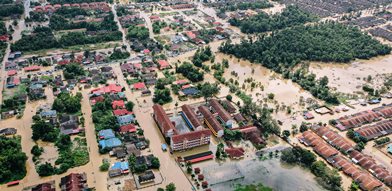
1. Risk Assessment and Awareness:
- Conduct a comprehensive assessment of flood risks in the village considering the dam, river, and low-lying land.
- Identify vulnerable areas and properties, such as those near the river, in low-lying zones, and along flood-prone roads.
- Create awareness among residents about flood risks, evacuation routes, and emergency contact information.
2. Early Warning Systems:
- Collaborate with local authorities to establish a reliable flood monitoring and early warning system.
- Install flood gauges and sirens near the dam and river to provide timely alerts.
- Utilize local radio stations, social media, and community leaders to disseminate early warnings.
3. Evacuation and Sheltering:
- Develop a comprehensive evacuation plan with designated assembly points and routes to safer locations.
- Identify temporary shelters, including schools, community centers, and public buildings, to accommodate displaced residents.
- Consider provisions for people with pets and livestock, and ensure separate arrangements for them.
4. Community Communication:
- Establish a communication network among community members using platforms like local WhatsApp groups or community apps.
- Encourage neighbors to check on each other, especially the elderly, disabled, and those living alone.
- Share essential contact information for local authorities, police, medical facilities, and emergency services.
5. Emergency Supplies:
- Create emergency supply kits for each household containing essentials like non-perishable food, bottled water, medications, flashlights, batteries, and first aid supplies.
- Stockpile additional supplies at designated shelters to accommodate the displaced population.
6. Livestock and Pets:
- Educate residents on how to secure their animals in case of flooding and provide guidance on their transportation to safe areas.
- Establish a temporary shelter for animals and coordinate with local veterinarians for their care.
7. Infrastructure and Utilities:
- Elevate or reinforce critical infrastructure such as electricity substations and communication facilities.
- Develop a plan for the temporary shutdown of electric and gas utilities if necessary.
- Ensure regular maintenance of wells to provide a source of clean drinking water.
8. Evacuation Routes:
- Mark evacuation routes clearly with signposts and directions, considering both highway and pocket roads.
- Ensure that roads and bridges are maintained and kept clear of debris to facilitate safe evacuation.
9. Medical Assistance:
- Coordinate with local hospitals and clinics to ensure they have flood-ready supplies and additional staff during emergencies.
- Establish a first aid station at evacuation shelters and train volunteers in basic medical assistance.
10. Recovery and Rehabilitation:
- Collaborate with local government agencies, NGOs, and relief organizations to coordinate post-flood recovery efforts.
- Prioritize the restoration of critical services such as electricity, water supply, and medical facilities.
- Offer counseling services to support residents emotionally and mentally after the flood.
11. Practice and Training:
- Conduct regular drills and mock evacuation exercises to familiarize residents with the emergency procedures.
- Train community leaders, school staff, and volunteers in first aid, search and rescue techniques, and disaster management.
12. Continual Improvement:
- Regularly review and update the preparedness plan based on feedback, new information, and lessons learned from past incidents.
- Encourage community engagement and involvement in refining the plan to make it more effective over time.
Remember, the success of the emergency preparedness plan depends on the collaboration and active participation of the entire community, local authorities, and relevant organizations.
#FloodSafetyVillage #CommunityPreparedness #EmergencyEvacuation #StaySafeDuringFlood #VillageResilience #FloodAwareness #NeighborsHelpingNeighbors

 Grandma’s Holistic Wellness